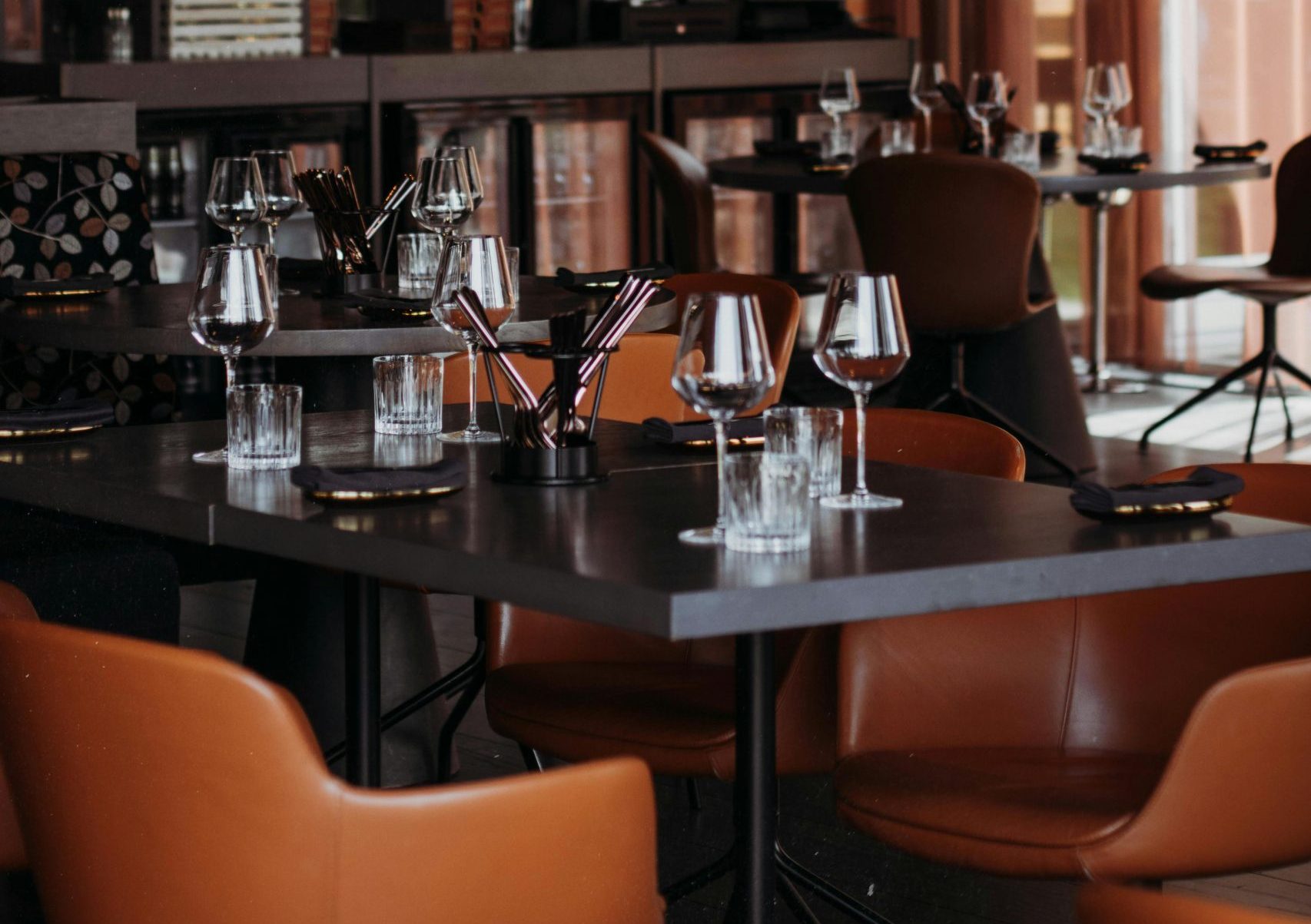

Food tenants evaluate potential locations long before they ever schedule a tour. In many cases, a space is ruled out entirely based on infrastructure details that determine whether a concept is even feasible. Plumbing capacity, sanitation infrastructure, ventilation, and utility access are not secondary considerations—they are often the deciding factors that separate viable spaces from costly dead ends.
As food concepts grow more competitive and margins tighten, tenants are increasingly selective. They want clarity upfront. Spaces that clearly communicate operational readiness earn attention faster, while those that leave questions unanswered often get skipped entirely.
Understanding what food tenants search for helps property owners, brokers, and developers position spaces more effectively and reduce friction during leasing conversations.
Why Infrastructure Matters Before the First Tour
Food tenants rarely walk into a space hoping to “figure it out later.” Most concepts already have defined equipment lists, projected volumes, and compliance requirements. If the building can’t support those needs, no amount of aesthetic appeal will make the space workable.
Infrastructure gaps translate directly into:
- Higher buildout costs
- Longer permitting timelines
- Delayed openings and lost revenue
- Increased risk during inspections
As a result, tenants often screen properties digitally before engaging. Listings that surface critical specs early are far more likely to convert interest into tours.
Plumbing Capacity and Water Access
One of the first systems food tenants evaluate is plumbing. Kitchens require reliable water supply for cooking, cleaning, dishwashing, and sanitation. Inadequate plumbing can force expensive retrofits or disqualify a space altogether.
Tenants typically look for:
- Sufficient water pressure and volume
- Multiple water access points near prep areas
- Proper hot water capacity for peak usage
- Existing plumbing routed to kitchen zones
Additionally, look for accessible janitor sink collection connections from Restaurant Supply for cleaning and maintenance.
Water access also affects workflow. If plumbing is poorly placed, tenants may need to redesign layouts or relocate equipment, increasing costs and complexity.
Floor Drains and Washdown Readiness
Floor drains are essential in commercial kitchens, yet many retail spaces lack them entirely. Without floor drains, routine cleaning becomes inefficient and sanitation compliance more difficult.
Food tenants often prioritize spaces with:
- Floor drains in prep, cooking, and dish areas
- Proper slope for washdown
- Materials that meet local health code standards
Adding drains after the fact can be invasive and expensive, particularly in older buildings or upper-floor units. Spaces that already include them signal readiness and reduce friction during permitting.
Grease Interception and Waste Handling
Grease management is one of the most common deal-breakers for food tenants. Health departments and municipalities strictly regulate grease disposal, and violations can result in fines or shutdowns.
Tenants typically assess:
- Whether a grease interceptor already exists
- Capacity of the interceptor relative to concept needs
- Accessibility for maintenance and pumping
- Compliance with local codes
Landlord assurances that grease systems can be added later rarely satisfy experienced operators. Most tenants want confirmation that infrastructure is already in place or that upgrades are fully approved and scoped.
Ventilation and Exhaust Systems
Ventilation is another critical system that tenants evaluate early. Cooking equipment produces heat, smoke, grease-laden vapor, and odors that must be properly exhausted.
Food tenants look for:
- Existing hood systems
- Roof access for exhaust routing
- Clearance for ductwork
- Compliance with fire and building codes
Inadequate ventilation often forces tenants to downgrade equipment or alter menus, which can undermine the concept itself. Spaces with approved, functioning exhaust systems are far more attractive and reduce startup risk.
Electrical Capacity and Gas Service
Modern kitchens rely heavily on power. From refrigeration and lighting to specialty equipment, insufficient electrical capacity can derail operations.
Tenants typically verify:
- Total electrical service size
- Dedicated circuits for major appliances
- Availability of three-phase power, if required
- Gas service capacity and meter access
Upgrading utilities after lease signing can introduce delays and unexpected costs. Spaces that document existing capacity upfront inspire confidence and move deals forward faster.
Sanitation Infrastructure and Code Compliance
Food tenants operate under strict health regulations. Beyond visible cleanliness, inspectors evaluate infrastructure designed to support safe food handling.
Tenants often search for details about:
- Handwashing sink locations
- Janitorial sinks for cleaning tools
- Separation between food prep and sanitation areas
- Surfaces that meet cleanability requirements
This is where referencing infrastructure like janitorial sinks becomes relevant. Proper sanitation equipment supports compliance and simplifies daily operations, making it a key consideration during site selection.
Storage, Waste Flow, and Back-of-House Layout
Operational efficiency depends on more than equipment. Food tenants assess whether the back-of-house layout supports smooth movement of people, ingredients, and waste.
Important considerations include:
- Dry storage capacity
- Refrigeration placement
- Trash and recycling access
- Safe routes for waste removal
Poor layouts increase labor time and raise the risk of cross-contamination. Spaces that already account for these needs are easier to adapt and operate efficiently.
Why Tenants Care About Documentation
In 2026, many food tenants evaluate properties remotely before engaging brokers. Clear documentation accelerates decision-making.
Helpful materials include:
- Spec tables outlining utilities and systems
- Annotated photos of infrastructure
- Floor plans showing plumbing and exhaust paths
- Written explanations of existing approvals
Providing this information reduces back-and-forth and builds trust early in the process.
How Food Tenants Vet Spaces Internally
Most food concepts follow a structured evaluation process centered on free, quality real estate leads, not just how a space looks on paper:
- Initial digital screening
- Contractor or architect review
- Health department feasibility check
- Financial modeling and approvals
If a space fails at any stage, it’s often removed from consideration entirely. Listings that anticipate these checks perform better because they answer questions tenants already have.
Common Reasons Food Deals Fall Apart
Many food leases fail not because of rent, but because of infrastructure surprises discovered too late.
Common issues include:
- Undisclosed plumbing limitations
- Inadequate grease systems
- Insufficient power or gas
- Ventilation conflicts with building structure
Transparent communication early on prevents wasted time for all parties.
Why Clear Specs Improve Leasing Outcomes
Spaces that clearly present facility details attract better-fit tenants. They reduce uncertainty, shorten lease cycles, and minimize renegotiation.
For property owners and brokers, this means:
- Fewer unqualified tours
- Faster deal progression
- Stronger tenant relationships
For tenants, it means fewer surprises and smoother openings.
Aligning Digital Listings With Tenant Search Behavior
Food tenants are increasingly search-driven. They look for answers before they ever pick up the phone.
Listings that succeed often:
- Address infrastructure explicitly
- Use clear, practical language
- Avoid vague promises
- Surface compliance readiness
When operational reality is visible upfront, trust builds faster.
Permitting Risk and Timeline Sensitivity
Food tenants are highly sensitive to permitting timelines because delays directly affect cash flow. Every additional week between lease signing and opening represents lost revenue, staffing complications, and extended carrying costs. As a result, tenants evaluate facilities not only for physical readiness but also for how smoothly a space is likely to move through inspections and approvals.
Spaces with documented infrastructure, prior food use, or existing approvals often signal lower permitting risk. Health departments typically scrutinize new conversions more closely than locations where compliant systems are already in place. Even seemingly minor details—such as proper floor drains, correctly located sinks, or compliant wall finishes—can significantly shorten review cycles.
Tenants often factor permitting risk into their financial modeling early in the site selection process. A space that appears affordable on paper may lose appeal once delays and uncertainty are introduced. Properties that demonstrate operational readiness upfront help tenants plan opening timelines more confidently and reduce hesitation during final lease decisions.
How Brokers and Owners Can Reduce Friction During Evaluation
Friction often arises when food tenants must uncover basic facility information on their own. Each unanswered question slows decision-making and increases the chance that a tenant shifts focus to another property.
Brokers and owners who proactively present facility specifications tend to attract stronger interest. Providing clear details about plumbing capacity, ventilation pathways, grease interception, and sanitation infrastructure before tours allows tenants and their consultants to assess feasibility early. Even outlining limitations transparently can prevent wasted time later in the process.
Well-documented listings also reduce redundant site visits. Architects, contractors, and operators can review materials remotely, making in-person tours more productive. Instead of discovery, walkthroughs can focus on layout, workflow, and brand fit.
Reducing friction isn’t about overselling a space—it’s about clarity. When expectations are aligned from the start, negotiations move faster and leasing conversations stay on track.
Future-Proofing Spaces for Evolving Food Concepts
Food service concepts continue to evolve, placing new demands on commercial spaces. Ghost kitchens, hybrid retail models, and multi-brand operators require facilities that support flexibility rather than fixed use.
Future-ready spaces often include infrastructure with excess capacity rather than minimum compliance. Electrical service that allows expansion, adaptable plumbing access points, and modular layouts make it easier for tenants to adjust operations without major reconstruction. These features are especially attractive to operators planning menu changes or growth.
Adaptability also benefits property owners by reducing downtime between tenants. When a space can support multiple food concepts, transitions happen more quickly. Incoming tenants gain confidence knowing the facility won’t limit future adjustments.
Ultimately, spaces designed with flexibility, compliance, and transparency in mind stay competitive longer and appeal to a broader range of food tenants over time.
Why Facility Readiness Drives Food Tenant Decisions
Food tenants don’t just search for space—they search for feasibility. Plumbing, sanitation, ventilation, and utilities determine whether a concept can launch on time and on budget.
Properties that clearly communicate these details stand out in crowded markets. By addressing infrastructure needs early and transparently, landlords and brokers create better matches, reduce friction, and support successful long-term tenancies.

Raghav is a talented content writer with a passion to create informative and interesting articles. With a degree in English Literature, Raghav possesses an inquisitive mind and a thirst for learning. Raghav is a fact enthusiast who loves to unearth fascinating facts from a wide range of subjects. He firmly believes that learning is a lifelong journey and he is constantly seeking opportunities to increase his knowledge and discover new facts. So make sure to check out Raghav’s work for a wonderful reading.