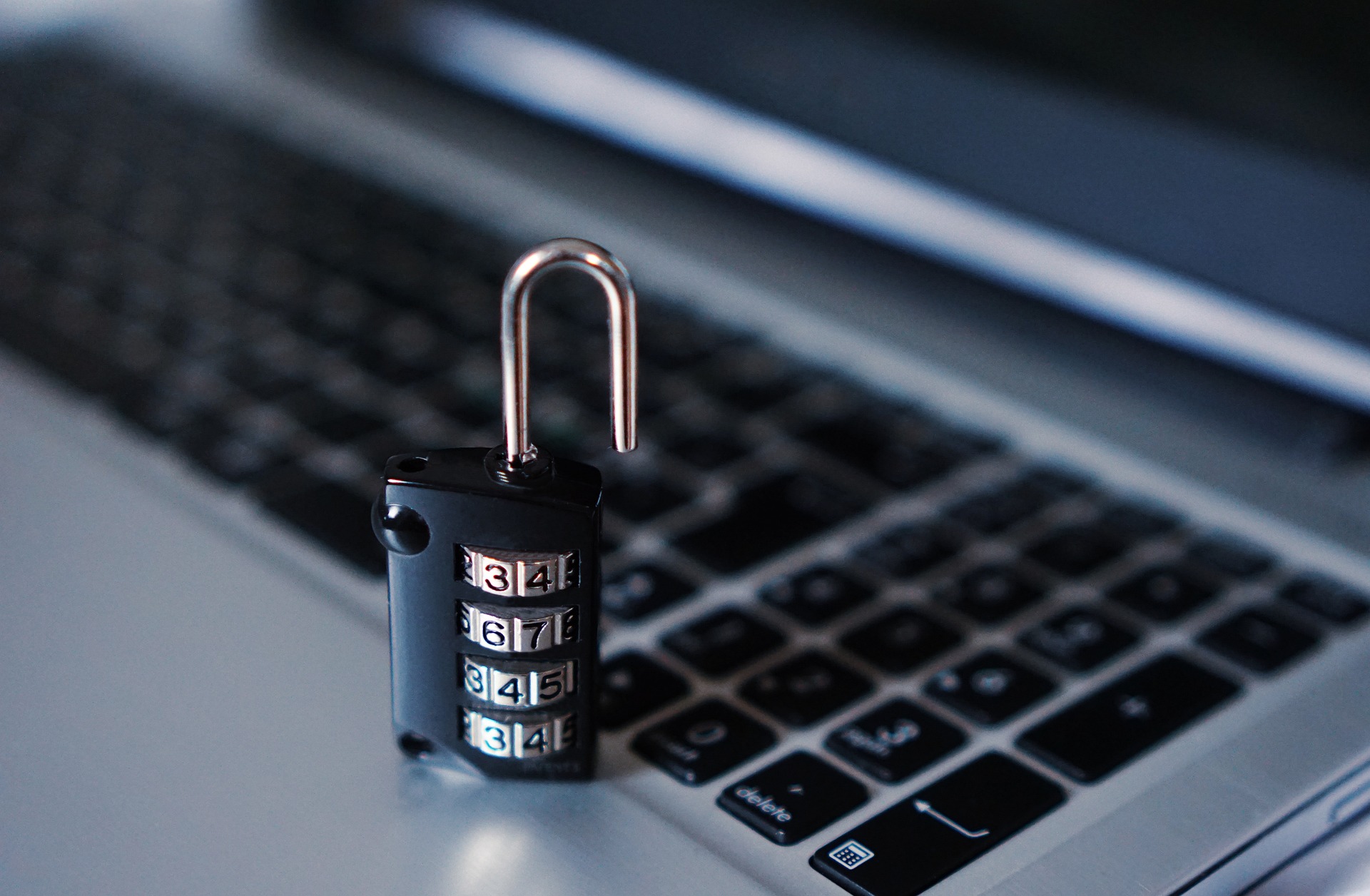

Remote desktop access is now part of daily business. People connect to office machines from homes, hotels, and shared workspaces without a second thought.
That convenience has a flip side. Every connection is also a possible way in for an attacker.
In 2026, the margin for error has shrunk. Threats move faster, regulators are stricter, and a single weak link can expose an entire network.
This article explains why encryption and recognized security standards are no longer optional, and what solid protection looks like in practice.
Why 2026 Raises the Stakes
Remote and hybrid work did not fade after the pandemic. For many teams, connecting to a distant desktop is simply how the job gets done.
Attackers know this, and remote desktop connections have become one of their favorite targets. An open port or a weak password is often all they need.

The lesson is blunt. A poorly secured desktop connection is one of the easiest doors for an intruder to walk through, and the rest of the network sits right behind it.
What Makes Remote Desktop Risky
The danger is not the technology itself. It is how often it is left exposed or lightly defended.
Ports opened to the public internet, reused passwords, and missing updates turn a useful tool into an easy entry point.
Once inside, an attacker can move sideways, reach shared drives, and quietly sit on the network for weeks before acting.
What Encryption and Standards Actually Mean
Encryption turns readable data into scrambled code that only an authorized key can unlock. If someone intercepts the traffic, they get nothing useful.
Strong remote desktop encryption and security standards are what separate a safe session from an open door, and they are the baseline any serious tool should meet.
In practice, that means AES 256-bit encryption for the data itself and TLS to protect it while it moves. AES is also a federally recognized encryption standard, trusted well beyond private industry.
Standards add a second layer. They are independent rules that prove a tool handles data the way it claims to, rather than asking you to take its word for it.
The Real Cost of Getting It Wrong
Weak security is not a small risk. It is a line item that can run into the millions.
According to IBM, the global average cost of a data breach was 4.44 million dollars in 2025. In the United States, it reached a record 10.22 million.

Those figures cover lost business, recovery work, regulatory fines, and damaged trust. For most companies, prevention is far cheaper than the cleanup that follows.
The reputational hit can linger even longer. Clients and staff rarely forget the moment their personal data was exposed.
The Standards That Matter
Not every security badge means the same thing. The table below sorts the ones worth checking for before you trust a tool with sensitive systems.
| Standard or feature | What it covers | Why it matters |
| AES 256-bit encryption | Scrambles stored and shared data | Makes intercepted data unreadable |
| TLS 1.2 or 1.3 | Secures data in transit | Protects live sessions from eavesdropping |
| Multi-factor authentication | Adds a second identity check | Blocks most stolen-password attacks |
| ISO/IEC 27001 | Information security management | Shows a vendor manages risk formally |
| SOC 2 | Controls for handling customer data | Independent proof of secure practices |
| GDPR readiness | EU data protection rules | Matters for any global workforce |
Use the list as a filter. A product that cannot tick most of these boxes does not belong anywhere near payroll, health records, or customer data.
Vendors that take security seriously tend to publish this information openly. If you have to dig for it, treat that as a warning sign.
How to Lock Down Remote Desktop Access
Choosing a secure tool is only step one. How you set it up matters just as much.
A handful of habits prevent the large majority of incidents, and none of them require deep technical skill.
- Turn on multi-factor authentication for every single user.
- Never expose remote desktop ports directly to the open internet.
- Give each person access only to the machines they actually need.
- Keep software patched and review access logs on a regular schedule.
- Remove access the moment someone leaves or changes roles.
It also helps to understand the basics of how encryption protects data before comparing products, so marketing claims are easy to judge on their merits.
These steps matter more every year, as the steady rise in cybercrime tracks the broader shift to cloud-based work across almost every industry.
Frequently Asked Questions
Is remote desktop access safe to use?
Yes, when it is encrypted and properly configured. AES 256-bit encryption, TLS, and multi-factor authentication remove most of the common risks.
What encryption should a remote desktop tool use?
Look for AES 256-bit encryption for the data and TLS for the connection. Together they protect information both at rest and in transit.
Does strong encryption slow down the connection?
Barely. Modern hardware handles AES encryption with almost no noticeable lag, so security and speed are not a trade-off anymore.
Do small businesses really need these standards?
Yes. Attackers often target smaller firms precisely because their defenses are thinner, and a single breach can be enough to close the doors.
How do I verify a vendor’s security claims?
Ask for independent proof, such as ISO 27001 or SOC 2 reports, rather than relying on marketing language alone.
The Bottom Line
In 2026, encryption and security standards are the price of entry for any remote desktop tool, not a premium upgrade.
The math is simple. Strong encryption, recognized standards, and careful setup cost a fraction of a single breach.
Treat them as non-negotiable, and remote work stays both flexible and safe for everyone involved.

Raghav Sharma is a content writer and media researcher at Newsdata.io, specializing in news industry analysis, media literacy, and the evolving landscape of digital journalism. With a background in English Literature and Journalism, along with a focus on fact-based reporting standards, Raghav covers topics including news API technology, editorial bias evaluation, and responsible information consumption. Raghav’s work has covered media trends across categories, including healthcare news, international journalism, and API-driven publishing. You can connect with him on LinkedIn or explore more of his writing on the Newsdata.io blog.