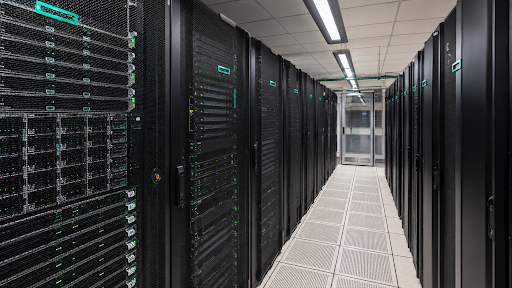

Data center upgrades are usually discussed in terms of faster hardware, better performance, lower power use, and improved capacity planning. Those priorities matter, but they cover only one side of the project. The equipment leaving the environment can carry data, value, environmental responsibility, and audit risk.
That is why IT asset disposition should be planned before servers, storage systems, networking gear, and data-bearing media are removed from production. For organizations planning a major infrastructure refresh, a structured data center ITAD process can help connect secure asset removal, documented sanitization, value recovery, reuse, and responsible recycling.
A sustainable upgrade is not just about what gets installed next. It is also about what happens to the assets that no longer belong in the rack.
Why Retired Hardware Belongs In The Upgrade Plan
Retired data center equipment is rarely just “old equipment.” A server may contain storage media. A storage array may hold business records. Network devices may include configuration data. GPU servers and high-value components may still have resale potential if they are tested and handled properly.
Treating these assets as a cleanup task creates avoidable risk. Teams may lose visibility into where the equipment went, whether drives were sanitized, which assets were destroyed, and whether reusable hardware was recycled early. That weakens governance and the sustainability case for the upgrade.
The better approach is to include ITAD from the beginning. That allows the project team to decide how retired assets will be inventoried, removed, secured, evaluated, reused, resold, or recycled before removal begins.
Start With Inventory And Chain-Of-Custody
Inventory is the control point that makes the rest of the ITAD process defensible. Before assets are removed, teams should know what equipment is being retired, where it is located, whether it contains data-bearing media, and how each item will be tracked.
For data center environments, that often means serial-level tracking for servers, drives, switches, storage, and other high-value components. It also means reconciling what was expected to be removed with what was collected, transported, received, and processed.
Why Chain-Of-Custody Matters
Chain-of-custody matters because the risk does not end when hardware leaves the building. The organization still needs a record of who handled the asset, when it moved, where it was processed, and what final disposition action was taken.
This record gives IT, security, procurement, and compliance teams a shared source of truth. Without it, the organization may have no reliable way to prove whether a retired asset was erased, destroyed, resold, recycled, or misplaced.
Protect Data Before Assets Leave Control
Data security is usually the primary concern organizations have about ITAD. Retired hardware may look inactive, but the information stored on its media can remain sensitive long after the system is powered down.
A mature ITAD plan should define how media will be identified, sanitized, destroyed, and documented. NIST’s Guidelines for Media Sanitization describe formal approaches to reducing the risk of data remaining accessible on retired media. That distinction matters. Sanitization is not the same as casually deleting files or reformatting a drive.
Different assets may require different methods. Some media can be securely erased. Some may need a cryptographic erase. Others may require physical destruction because of internal policy, data sensitivity, or asset condition. The key is to match the method to the risk.
Documentation Should Follow The Action
The action itself is only part of the control. Documentation gives the organization proof that the action occurred.
Certificates of erasure or destruction, asset lists, timestamps, serial numbers, and processing records give security, compliance, and procurement teams a clearer trail than verbal assurances. They also make it easier to answer internal questions after the project is complete.
Prioritize Reuse Where It Makes Commercial Sense
Sustainability does not always mean recycling first. In many cases, reuse is the more responsible path if equipment can be tested, refurbished, and safely redeployed or resold.
Servers, memory, processors, storage components, networking equipment, and GPUs may retain value after a refresh. If these assets are sent directly to scrap, the organization may lose recoverable value and shorten the useful life of hardware that still has a market.
This is where ITAD becomes more than disposal. A strong process evaluates retired assets for resale, redeployment, parts harvesting, or refurbishment before deciding that recycling is the right path. That supports sustainability and can also return value to the upgrade budget.
Not Every Retired Asset Is Waste
The practical point is simple: not every retired asset is waste. Some assets are waste. Some are recoverable inventory.
The ITAD process should be able to distinguish. That requires testing, grading, market awareness, and clear disposition criteria. Without that evaluation layer, organizations may treat reusable assets as scrap and miss both environmental and financial benefits.
Recycle What Cannot Be Responsibly Reused
Reuse has limits. Equipment that is damaged, obsolete, incomplete, unsafe, or commercially impractical to remarket still needs a responsible end-of-life path.
Certified recycling helps address that need. SERI’s R2v3 Standard focuses on responsible electronics reuse and recycling practices, including protections for data, people, and the environment. For data center teams, certification gives procurement and compliance stakeholders a clearer basis for evaluating recycling controls.
Recycling should not be treated as a vague sustainability claim. It should come with documentation showing how non-reusable material was processed and where responsibility was passed through the downstream chain.
Connect ITAD To Environmental Reporting
Data center sustainability is often measured through energy efficiency, cooling improvements, power usage, and newer infrastructure. Those areas matter, but asset retirement also belongs in the conversation.
The EPA’s electronics management guidance recognizes the importance of approaches such as reuse, refurbishment, life extension, and recycling in reducing environmental impacts from electronics. For a data center upgrade, sustainability teams should not only ask what the new environment will save. They should also ask how the old environment will be retired.
Useful reporting may include volumes of equipment processed, assets reused or resold, materials recycled, certificates received, and exceptions that required destruction. The goal is not to dress the project in green language. The goal is to create records that support operational decisions.
What To Look For In An ITAD Partner
The right ITAD partner should be evaluated on process maturity, not slogans. A provider should be able to explain how it handles inventory, logistics, data sanitization, destruction, asset testing, resale, recycling, and reporting.
Key questions include whether the provider can track assets at serial level, document chain-of-custody, support erasure or destruction, provide certificates, evaluate reusable assets before recycling them, explain downstream controls, and support the scale and timing of a data center refresh.
Process Maturity Beats Generic Recycling
These questions help separate a governed ITAD process from basic hauling or generic electronics recycling.
A basic removal service may be able to clear space. A mature ITAD process should also create visibility, reduce data exposure, support resale decisions, document recycling, and give stakeholders a defensible record of what happened to each asset.
Build ITAD Into The Refresh Timeline
ITAD should not be the last line item after hardware procurement, migration planning, and rack work are already complete. By that point, the team may be forced into rushed decisions. Organizations refreshing employee hardware at the same time can compare CDW alternatives for global procurement and device lifecycle support.
A better timeline includes ITAD during early planning. The organization can map assets, define data-handling requirements, coordinate removal windows, estimate value recovery, and plan recycling documentation before the refresh reaches its busiest stage.
This also helps avoid project friction. If the ITAD workflow is planned alongside migration, decommissioning, and procurement activity, the organization has a better chance of controlling asset movement without delaying the upgrade.
Conclusion
Sustainable data center upgrades depend on more than efficient new infrastructure. They also depend on disciplined retirement of the equipment being replaced.
Effective ITAD gives organizations a practical way to manage the assets leaving the environment. It supports inventory control, data protection, chain-of-custody, value recovery, reuse, and responsible recycling. It also gives stakeholders the records they need to explain what happened, why it happened, and how risk was managed.
The strongest upgrade plans treat ITAD as a strategic workstream, not an afterthought. When retired hardware is handled with the same discipline as new infrastructure, the upgrade becomes cleaner, safer, more accountable, and easier to defend.

Raghav Sharma is a content writer and media researcher at Newsdata.io, specializing in news industry analysis, media literacy, and the evolving landscape of digital journalism. With a background in English Literature and Journalism, along with a focus on fact-based reporting standards, Raghav covers topics including news API technology, editorial bias evaluation, and responsible information consumption. Raghav’s work has covered media trends across categories, including healthcare news, international journalism, and API-driven publishing. You can connect with him on LinkedIn or explore more of his writing on the Newsdata.io blog.