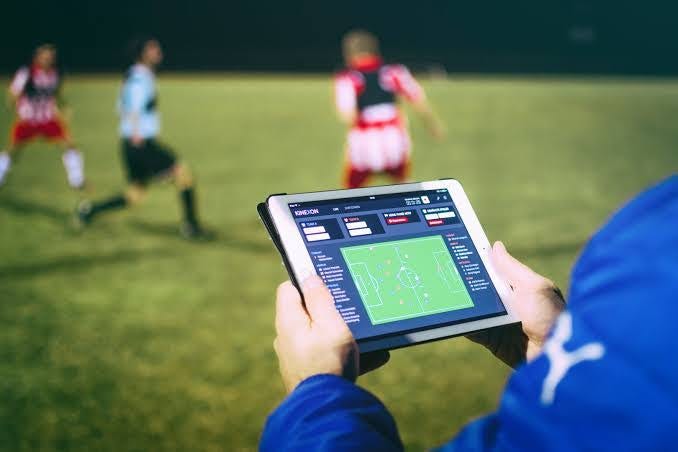

Sports performance today is shaped just as much by data as by what happens on the field. Teams don’t rely only on live observation or post-match reviews anymore. Instead, they build digital systems that collect and process information as the game unfolds. This is where a sports software development company becomes important, especially when organizations need to handle real-time data from multiple sources at once.
In practice, clubs often work with engineering teams from a sports software development company to connect tracking devices, video feeds, and performance stats into a single system. Without that, data tends to stay scattered across different tools, which makes it harder to use during actual decision-making or quick tactical changes.
Over time, sports software development has moved from basic reporting tools to more active systems that support coaching decisions, scouting, and even in-game adjustments. It’s less about storing information and more about making it usable when it actually matters, often under time pressure.
Why Real-Time Data Matters in Modern Sports
The pace of decision-making in sports has increased a lot. Coaches and analysts don’t really have the luxury of waiting hours for reports anymore. In many cases, they need insights during the match itself.
Real-time systems help by linking data sources directly to dashboards that update continuously. This makes it possible to respond while the game is still happening, not after everything is over.
Common use cases include:
- Tracking player performance live
- Making tactical changes during matches
- Monitoring injury risk in real time
- Understanding opponent behavior
- Generating automatic match summaries
The main idea is simple: data is only useful if it arrives fast enough to act on.
How Sports Data Systems Are Built
Most sports analytics platforms follow a similar structure, even if the final product looks different on the surface.
1. Data Collection Layer
This is where everything starts. Data comes in from multiple sources:
- Wearable devices
- GPS trackers
- Video systems
- Stadium sensors
- Manual input from staff
At this stage, the information is messy and inconsistent, since each source produces data in its own format.
2. Processing Layer
Once data is collected, it needs to be cleaned and organized. This is usually done through streaming systems.
This layer handles:
- Filtering and cleaning raw data
- Combining multiple data streams
- Converting signals into readable metrics
- Sending updates to dashboards
The main goal here is to keep everything moving without delay.
3. Analytics Layer
After processing, data becomes something coaches and analysts can actually use.
Typical outputs include:
- Heatmaps of player movement
- Performance trends over time
- Fatigue indicators
- Tactical breakdowns
- Match comparisons
This is usually the part people interact with most.
Machine Learning in Sports Analytics
Machine learning is becoming more common in sports systems, but not in a way that replaces human decisions. It mainly supports them.
In sports software development, ML is often used to:
- Estimate injury risk based on workload
- Predict fatigue levels
- Forecast match outcomes
- Spot weaknesses in opponent play
- Suggest possible substitutions
These models improve as more data comes in, but they still work best alongside coaching experience.
Challenges with Wearables and Devices
One of the trickier parts of sports systems is connecting different devices together. Not all hardware behaves the same way, and data formats often don’t match.
Typical problems include:
- Keeping multiple data streams in sync
- Dealing with missing or incomplete data
- Standardizing metrics across devices
- Managing battery and connectivity issues
- Aligning time stamps correctly
If this part is not done properly, even good analytics tools become unreliable.
Real-Time Video in Sports Analysis
Video is still one of the most valuable sources of information in sports. But today it is used in more advanced ways than just replaying matches.
Modern systems can:
- Tag key moments automatically
- Track player movement on the field
- Analyze formations and tactics
- Detect events during matches
- Generate highlights automatically
When combined with sensor data, video becomes much more meaningful and context-rich.
Infrastructure Behind Real-Time Systems
Real-time sports platforms need infrastructure that can handle sudden spikes in activity. A big match can bring a huge increase in both users and data processing load.
To manage this, systems usually rely on:
- Cloud hosting
- Distributed processing
- Load balancing
- High availability setups
- Backup and redundancy systems
Without this foundation, performance drops quickly during peak moments.
Security and Sensitive Data
Sports systems don’t just handle performance data. They often include personal and medical information as well.
That means security becomes a serious part of the system design, including:
- Encrypted data transfers
- Controlled access levels
- Secure login systems
- Compliance with privacy rules
- Logging and monitoring access
As more data is collected, this becomes even more important.
How Teams Use This Data in Real Life
The technology is complex, but the use cases are actually quite practical.
Teams typically use analytics to:
- Adjust training intensity
- Decide when players need rest
- Improve scouting decisions
- Plan match strategy
- Monitor recovery after injuries
In most cases, the goal is not to replace human decisions but to support them with better information.
Business Value of Sports Analytics Systems
Using sports software development for analytics is not just about performance. It also affects the business side of sports.
Some key benefits include:
- Lower injury-related costs
- Better recruitment decisions
- Improved match performance
- More fan engagement through insights
- New data-based revenue streams
In some cases, organizations also offer analytics products to partners or media companies.
Industry Example
Companies such as DevCom collaborate with sports organizations to develop integrated platforms that combine data processing, cloud infrastructure, and analytics tools. These solutions are designed to address practical operational needs rather than theoretical concepts.
Future of Real-Time Sports Systems
Sports analytics is slowly moving toward systems where everything is connected instead of separate tools for tracking, video, and stats.
Some likely directions include:
- Real-time tactical AI support
- Smarter injury prediction systems
- AR-based analytics during games
- Fully digital athlete profiles
- Automated coaching suggestions
As these systems evolve, the gap between analysis and decision-making will continue to shrink.
Conclusion
Real-time analytics has become a normal part of modern sports. Teams are no longer working only with post-game reports. They are building live systems that react as the game happens.
Sports software development drives this shift by integrating devices, data systems, and analytics into a unified structure. As sports evolve, teams with robust data systems are better positioned to make informed decisions on and off the field.

Raghav Sharma is a content writer and media researcher at Newsdata.io, specializing in news industry analysis, media literacy, and the evolving landscape of digital journalism. With a background in English Literature and Journalism, along with a focus on fact-based reporting standards, Raghav covers topics including news API technology, editorial bias evaluation, and responsible information consumption. Raghav’s work has covered media trends across categories, including healthcare news, international journalism, and API-driven publishing. You can connect with him on LinkedIn or explore more of his writing on the Newsdata.io blog.