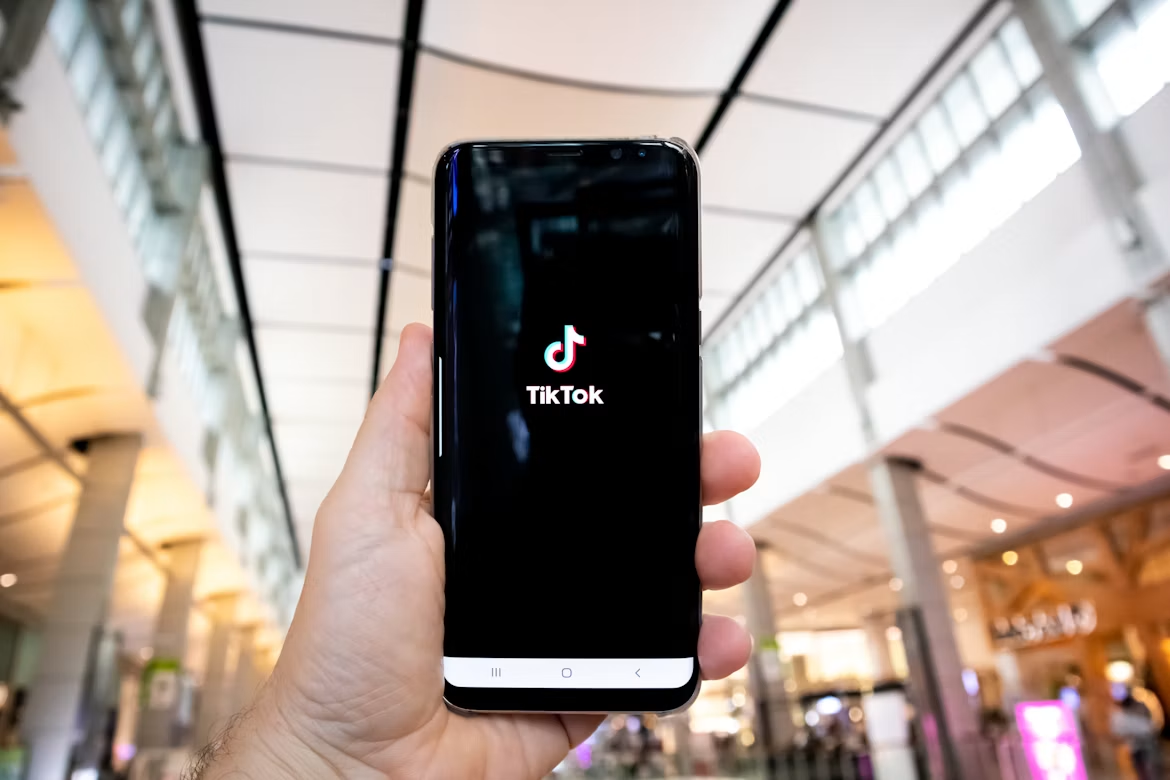

Contemporary short-video distribution has evolved from creative intuition into an exact computational discipline. Brands and independent media producers experience unparalleled saturation in their recommendation feeds, and thus traditional content planning is becoming less effective. Focusing only on analytics after the media release places teams in a defensive position with regard to achieving maximum coverage through algorithms and organic growth.
Predictive content marketing can solve the problem of reaching algorithmic success without wasting resources on production by analyzing the media ingestion streams in real-time before scripting and filming. This way, you can ensure to get your TikToks in front of more viewers while at the same time cutting costs of content production and making sure the message resonates with the right demographics.
The Shift to Data-Driven Distribution
Algorithmic distribution engines evaluate content through strict velocity metrics rather than passive profile follower counts. As revealed in a study by the Pew Research Center, over 20% of Americans now get their news and primary sources of information on TikTok. This shift elevates the necessity of quantitative audience research over guesswork.
| Analysis Model | Primary Input Data | Strategic Orientation | Distribution Result |
| Reactive Analytics | Views after performance, late comments | Benchmarking in history | Adaption postponed |
| Real-Time Tracking | In-flight watch time, immediate shares | Active campaign adjustments | Incremental lift |
| Predictive Modeling | Search volume trends, media APIs | Pre-production validation | Exponential reach |
Transitioning to predictive media analytics ensures that creative concepts align with active search interest before budget allocation occurs.
Real-Time Trend Intelligence Harnessing
Predictive models help detect emerging trends through analysis of external media ecosystems before the trend reaches its saturation point on short-form media channels. Through surveillance of online news aggregators and cross-media discussions, creators detect changes in story structures.
- Track keyword velocity across global news feeds to anticipate culture spikes.
- Monitor sentiment shifts within specific product categories or industry niches.
- Align video scripting with search queries actively gaining traction in web analytics.
Optimizing Algorithmic Hook Architecture
Video distribution algorithms prioritize early retention signals, particularly completion rate and immediate re-watch velocity. Industry analyses from Hootsuite indicate that watch time and full video completions carry the heaviest weight in initial recommendation loops.
Structuring the first three seconds around predictive sentiment data ensures instant topic alignment. When on-screen text and audio voiceovers directly reflect high-volume search queries, automated indexing systems categorize content faster. Teams looking to test automated data collection can download sample news datasets.
Mitigating Content Saturation Risks
Publishing content during peak trend saturation often results in algorithmic suppression due to severe competition. Predictive media monitoring pinpoints the precise inflection point of any trend, ensuring the opportunity for creators to participate in the conversation during its acceleration stage, rather than in its decline stage.
Data reports from HubSpot indicate that short-form videos provide the highest ROI of all social formats, provided that there is audience intelligence in place. Consistent use of less saturated formats ensures optimal use of creative assets at higher baseline engagement rates.
Building a sustainable distribution pipeline requires connecting audience search behavior directly to your content calendar. Incorporating predictive media data into weekly scripting workflows streamlines creative execution, helping teams generate high-retention assets that maximize media strategy outcomes across competitive feeds.
Long-Term Predictive Asset Scaling
Scalable video distribution relies on modular content architectures that convert single data insights into multiple video variants. Testing varied visual hooks against a unified, data-validated core message maximizes discovery potential without increasing overall production overhead.
- Script three distinct visual opening hooks for every validated data point.
- A/B test text overlays using top-ranking long-tail keywords.
- Analyze initial retention curves to refine future predictive inputs continuously.
FAQ
How does predictive media marketing help get your TikToks in front of more viewers?
Predictive marketing analyzes real-time media trends and search queries before production, ensuring videos address active interest topics that algorithms prioritize for distribution.
Why is completion rate more important than follower count for TikTok distribution?
Recommendation algorithms prioritize user watch time and completion percentage over follower numbers to ensure the For You page displays highly engaging content to relevant users.
How do news and media APIs improve short-video scripting?
Media APIs deliver real-time data on emerging stories and sentiment shifts, allowing creators to script videos around trending topics before feeds become oversaturated.
What is the ideal video length for predictive short-form content?
The optimal duration varies by objective, but data shows videos structured with strong 3-second hooks and high completion rates perform best regardless of total length.
Can small brands compete with established accounts using data analytics?
Yes, short-form algorithms operate on an interest graph rather than a social graph, meaning well-optimized, data-backed content from new accounts can outpace established profiles.
Data-Driven Video Strategy
Mastering short-video distribution requires replacing creative assumptions with actionable media intelligence. With early trend signal analysis, hook development through genuine search behavior, and constant optimization of messaging based on performance data, content creators gain an ongoing edge through algorithmic processes. Data-driven predictive marketing makes the process of content creation a predictable and profitable one. Utilize data for storytelling to ensure that your story is always delivered to the right audience.

Raghav Sharma is a content writer and media researcher at Newsdata.io, specializing in news industry analysis, media literacy, and the evolving landscape of digital journalism. With a background in English Literature and Journalism, along with a focus on fact-based reporting standards, Raghav covers topics including news API technology, editorial bias evaluation, and responsible information consumption. Raghav’s work has covered media trends across categories, including healthcare news, international journalism, and API-driven publishing. You can connect with him on LinkedIn or explore more of his writing on the Newsdata.io blog.