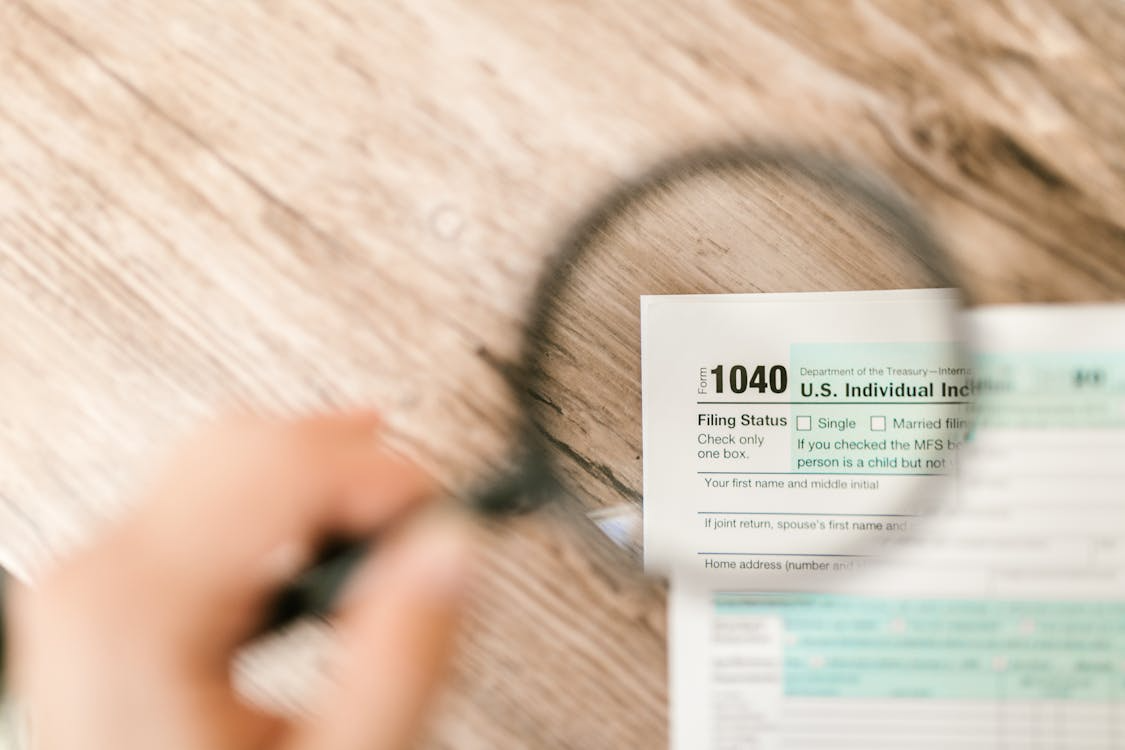

Today, it’s no longer impossible to create certificates and employment records out of nothing, like your pay stubs. That’s why you want clear, actionable, deeply relevant ways recruiters, HR teams, and hiring managers uncover phony pay slips.
Here’s a little walk-through to the most effective, up-to-date “how-tos” recruiters rely on right now, so you can protect your firm and maintain a credible workpool.
Look Beyond the Surface Numbers
With all the ongoing fraud reports, glancing at pay stubs no longer works; you need to review them with real intent. Since it’s tech-driven, payroll software or platforms these days follow strict math, precise cents, and consistent tax logic or format. That’s why if you notice that the gross pay figures don’t align with net income after deductions, it’s a red flag.
Also, rounded figures or missing fields often point to weak (if not tampered) templates. While your detection system may be reliable, you may need to protect these verification tools by securing API keys, making sure your payroll data sources stay credible and tamper-resistant. This first must-do can effectively filter careless forgeries right away.
Cross-Verify Employment Data the Smart Way
Most reputable recruiters, like yours, don’t just take pay stub info at face value or don’t put much work into it. Recruiters are increasingly using advanced verification tools to detect inconsistencies in submitted documents. In parallel, platforms like https://globalwork.ai/ are being used to support transparent hiring processes and improve workforce management across distributed teams. You’re more likely to cross-check the employer’s business info against verified sources, like corporate directories, official business registries, and reputable company web pages.
Your fastest way to make sense of a questionable slip is to check stub maker tools and process payslips, even sample ones. This way, you’ll understand and be able to compare fake from real stubs. This can help you skillfully spot patterns and anomalies; most fraudulent stubs are created using fly-by-night online builders rather than genuine payslip generators.
Use Real Verification Channels, Not Just Printed Info
Once you notice something’s not right with basic formatting and cross-referencing, push further and take some action to quash your doubts.
Contact HR or payroll directly
When you smell something fishy, don’t rely on the contact number printed on the stub; look up the company’s official line and verify the applicant’s employment specifics. Their payroll departments can confirm or deny whether they really issued the questionable stub.
Bank statements and tax forms help
It’s best to ask your applicants for some supplemental documents, like prior bank deposits or copies of their latest W-2s. Most often, these proofs show employer names and deposit patterns that usually align with what’s on the payslips; otherwise, they’re strong proof of fabrication or tampering.
Use background check services
While it’s usual for soon-to-be employers to conduct a background investigation on their applicants, more modern employment background checks service now include direct electronic verification of employment and income, relieving you of the arduous manual guesswork.
Running comprehensive background checks on key hires and partners adds a deeper layer of scrutiny, surfacing criminal, financial, and regulatory red flags before a costly hiring or onboarding mistake is made.
These tools also streamline regulatory requirements like Florida Age Verification to ensure full regional compliance.
Global hiring once sounded complicated, expensive, and full of paperwork. Setting up legal entities, understanding local rules, managing payroll, and handling compliance in another country often slowed businesses down. This is where the Employer of Record services started becoming an important part of modern business growth.
Leverage Technology to Detect Digital Manipulation
There are already many recruitment teams today that capitalize on specialized software to automate their fraud detection systems, like:
Document analysis tools
These tools can now compare submitted pay stubs to billions of known legitimate document patterns and highlight anomalies that your human skills might not notice.
In practice, teams often use lightweight tools to securely upload PDF documents for internal review and verification.
Metadata checks
Their ability to file metadata helps you see if a PDF was created recently, modified after printing, or lacks source information. It’s usually a sign that the stub was assembled rather than produced by a payroll system.
Why do you need this
With all the document generators congesting online, employing automated or digital tools can save you time and improve your accuracy in deciphering fraudulent ones compared to manual review methods.
Watch Out for the Rising Fake Income Trends
Today, fraudulent schemes related to income documents have been documented across industries all over the world. Some data from lenders even show a significant number of pay stubs provided for verification are falsified or altered so loans may be approved. That’s why grasping that fake pay stubs are statistically common can help you become wary and stay watchful.
Bottom Line
In 2026, you need to combine sharp human judgment with tech-savvy ways. You need that layered approach, so you can separate a simple review from an accurate screening process that protects your organization from fraudulent documents and schemes.

Raghav Sharma is a content writer and media researcher at Newsdata.io, specializing in news industry analysis, media literacy, and the evolving landscape of digital journalism. With a background in English Literature and Journalism, along with a focus on fact-based reporting standards, Raghav covers topics including news API technology, editorial bias evaluation, and responsible information consumption. Raghav’s work has covered media trends across categories, including healthcare news, international journalism, and API-driven publishing. You can connect with him on LinkedIn or explore more of his writing on the Newsdata.io blog.